




When you choose solid wood floors, you’re choosing more than a surface; you’re investing in a foundation that lasts for generations.
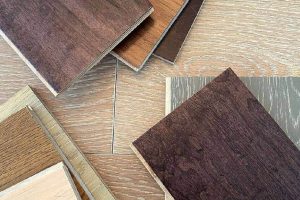
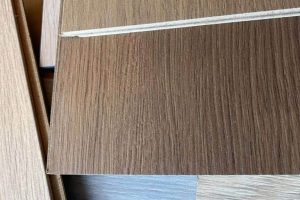
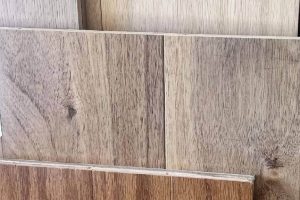
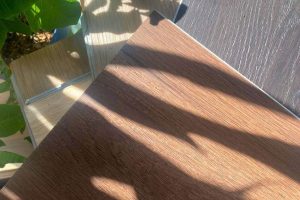
Solid hardwood is crafted from a single, solid piece of natural wood, giving it unmatched authenticity, character, and strength. Each plank features unique grain patterns, subtle color variations, and rich texture that can’t be replicated by manufactured alternatives. It’s not just flooring, it’s craftsmanship you can see and feel.
One of the greatest advantages of solid wood is longevity. It can be sanded and refinished multiple times over the decades, allowing you to restore its beauty, change its stain color, or refresh its finish as styles evolve. Instead of replacing your floors, you renew them, making solid hardwood a smart long-term investment.
Solid wood floors also add real, measurable value to your home. Buyers recognize and appreciate genuine hardwood, often viewing it as a premium feature that elevates the entire space. Warm, durable, and timeless, it complements everything from modern designs to traditional interiors.
If you want flooring that grows more beautiful with age, stands the test of time, and adds lasting value to your home, solid wood floors are the clear choice.
When you compare solid hardwood to vinyl, laminate, or even engineered flooring, the differences become even clearer.
Solid hardwood can be sanded and refinished many times over its lifespan. While engineered flooring has a limited veneer layer and vinyl or laminate cannot be refinished, solid wood can be renewed repeatedly. Scratches, dents, or changing style preferences aren’t permanent; they’re simply opportunities to refresh.
Solid hardwood is often considered the gold standard in residential flooring. It’s highly desirable to buyers and can significantly enhance resale appeal. While vinyl and laminate may need to be replaced after 10–20 years, solid hardwood can last for generations with proper care. Rather than wearing out, solid hardwood develops a rich patina over time. It gains warmth and personality as it ages, something manufactured flooring simply cannot replicate.
While the upfront cost may be higher than vinyl, laminate, or some engineered options, solid hardwood is often more cost-effective over the long term because it doesn’t require full replacement. You’re investing once, not repeatedly.
In short, vinyl and laminate are temporary solutions. Engineered flooring offers durability and flexibility. But solid hardwood stands in a category of its own; timeless, renewable, and built to last as long as the home itself.

